Vision problems can be unsettling, especially when they appear suddenly. Consulting a retina specialist in delhi becomes crucial when you notice symptoms like blurred vision, flashes of light, floaters, or dark shadows in your field of view. The retina is a delicate layer at the back of your eye responsible for capturing light and sending signals to the brain. Even minor damage to this layer can affect your eyesight significantly, which is why early diagnosis and timely treatment matter.
Many people confuse general eye strain with deeper retinal concerns. However, conditions such as diabetic retinopathy, retinal detachment, macular degeneration, and retinal vein occlusion require specialized care. A retina specialist is trained to diagnose and treat these complex disorders using advanced imaging tests and minimally invasive procedures. Regular eye checkups are especially important for individuals with diabetes, high blood pressure, or a family history of retinal disease.
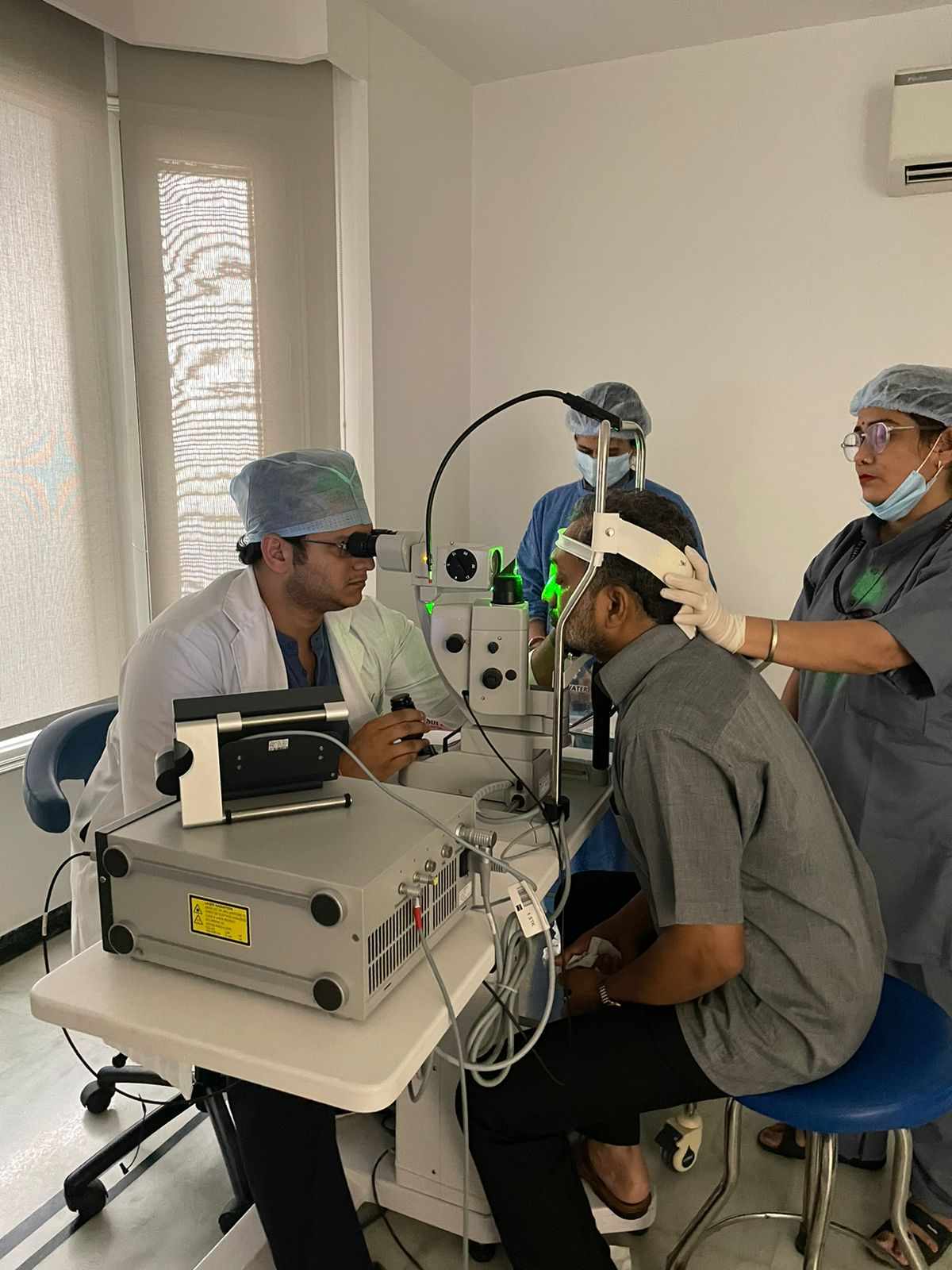
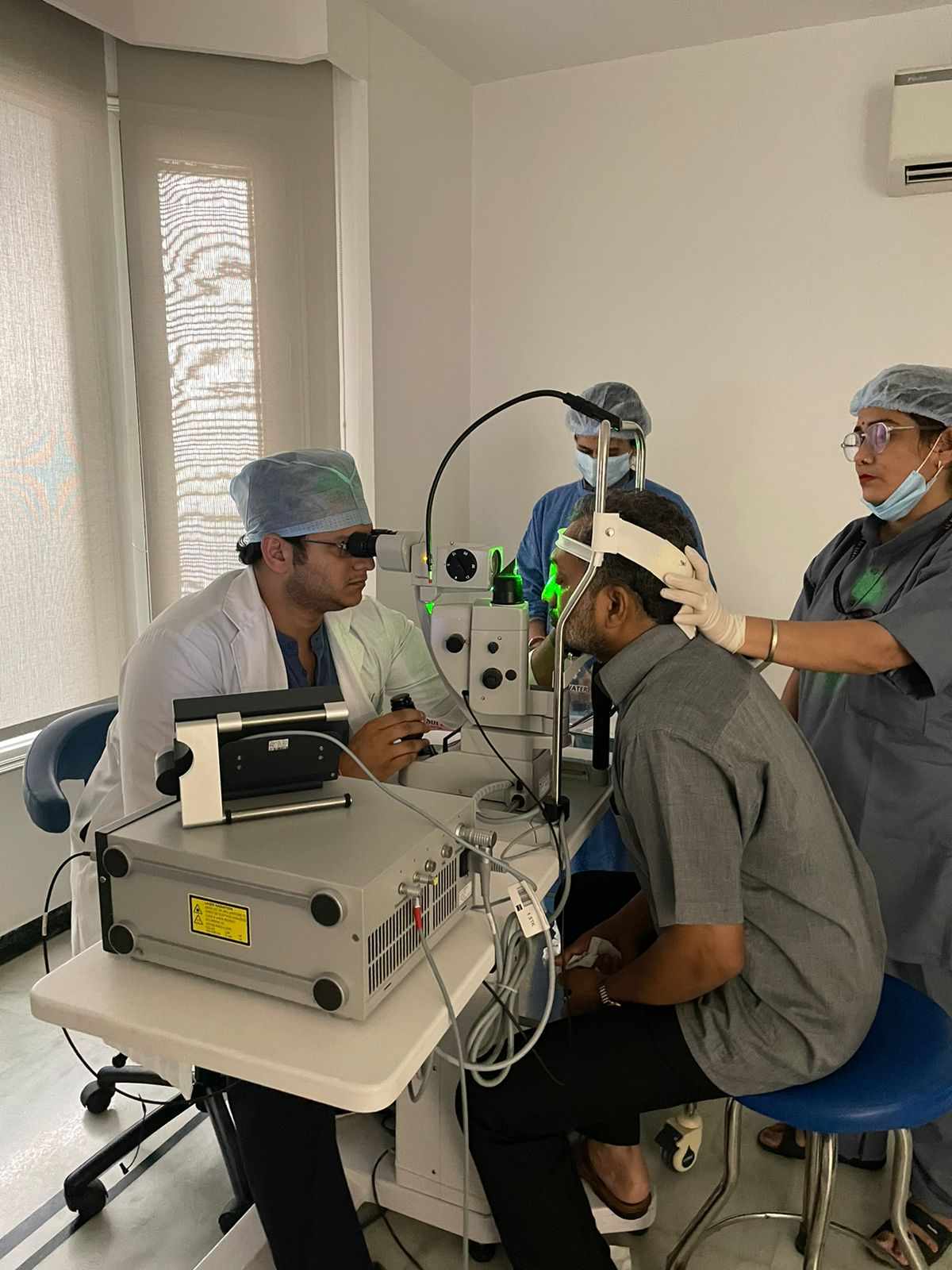
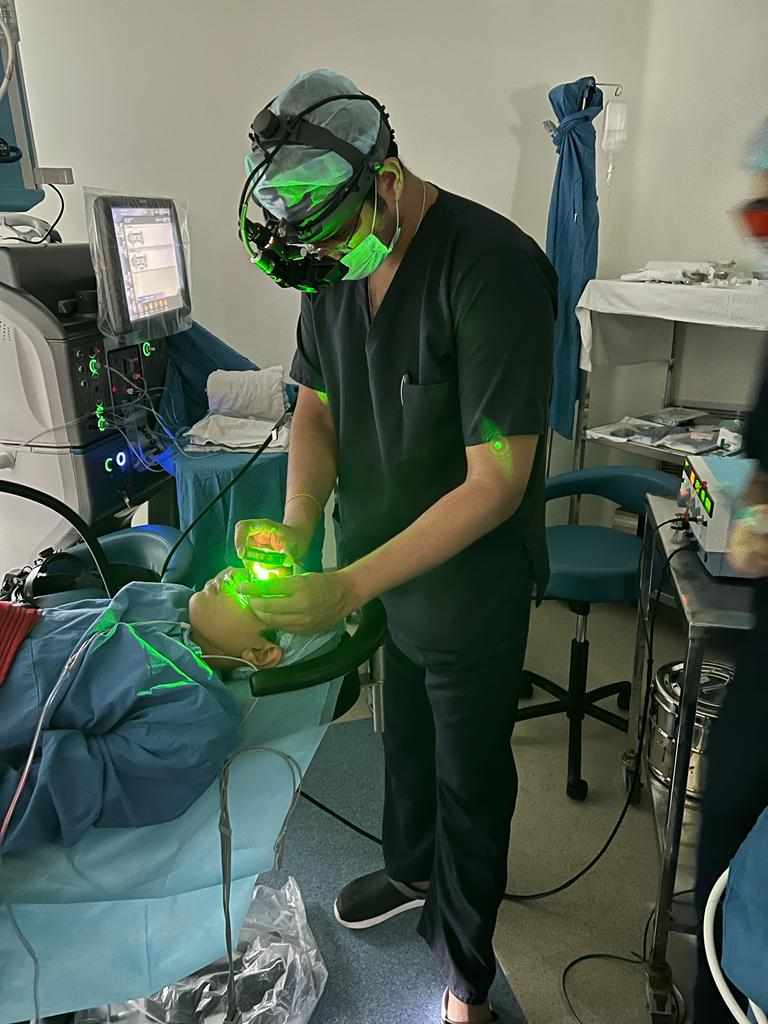
Choosing the Best Retina Doctor is not just about qualifications; it’s about experience, technology, and patient care. Retinal treatments often involve precision-based procedures such as laser therapy, intravitreal injections, or retinal surgery. An experienced specialist will not only treat the problem but also guide you about preventive care and long-term management. Since retinal diseases can progress silently, expert evaluation ensures that subtle warning signs are not missed.
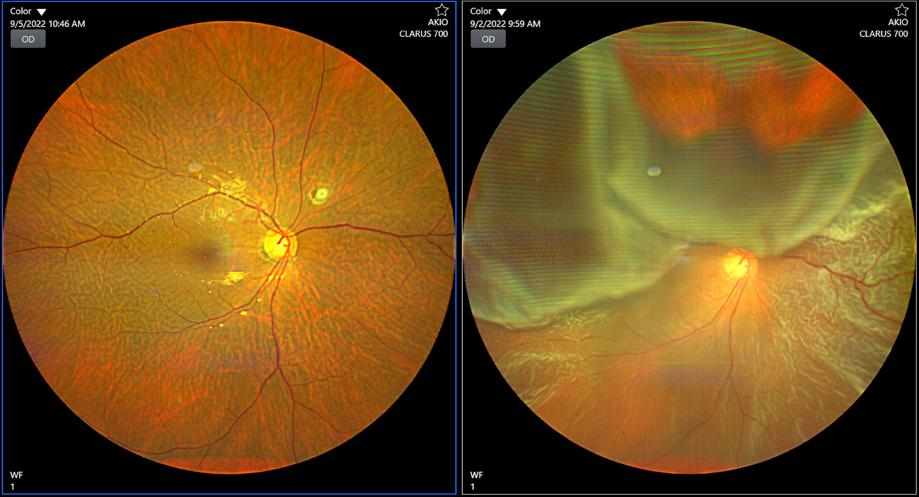
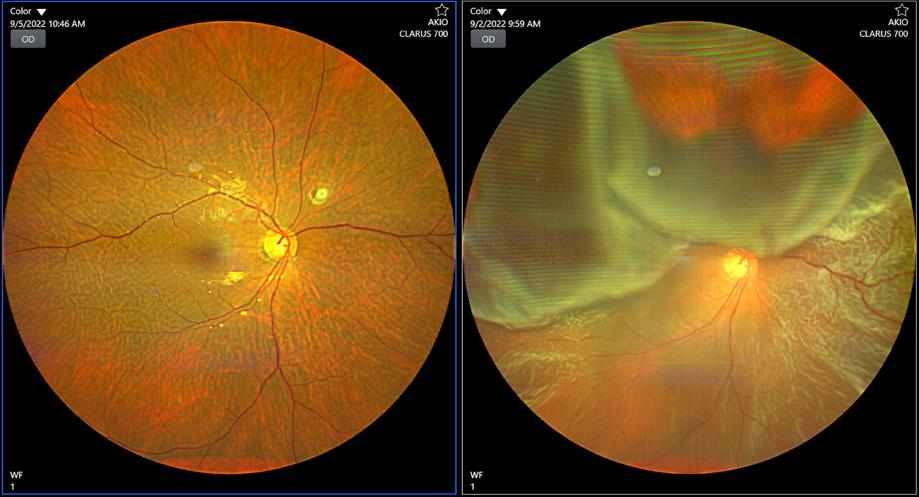
Advanced diagnostic tools like OCT (Optical Coherence Tomography), fundus photography, and fluorescein angiography help in detecting issues at an early stage. These technologies allow specialists to see detailed cross-sections of the retina, enabling accurate diagnosis and personalized treatment plans. Early intervention can prevent permanent vision loss in many cases, especially when symptoms are addressed promptly.
Also Read: - Top 10 Most Asked Retina Questions Answered by our Retina Surgeon
Lifestyle also plays a significant role in retinal health. Managing blood sugar levels, maintaining healthy blood pressure, eating antioxidant-rich foods, and protecting your eyes from excessive strain can support overall eye health. If you already have a systemic condition like diabetes, routine retinal screening becomes essential even if you do not experience noticeable symptoms.
Another important aspect to consider is emergency care. Sudden loss of vision, a curtain-like shadow, or a burst of floaters may indicate a retinal tear or detachment. Such situations require immediate medical attention. Delaying treatment can result in irreversible damage. Being aware of these symptoms and seeking help quickly can make a significant difference in outcomes.
When searching for the best eye hospital in delhi for retina, look for facilities that offer comprehensive retinal services under one roof. From diagnostics to surgery and follow-up care, a well-equipped center ensures continuity of treatment and better recovery. A patient-centric approach, transparent consultation, and post-treatment guidance are equally important factors to consider.
Protecting your vision should always be a priority. Regular screenings, early diagnosis, and expert care can preserve eyesight and improve quality of life. If you notice persistent vision changes, do not ignore them. Timely consultation with a specialist can safeguard your sight for years to come.
Frequently Asked Questions (FAQs)
1. When should I consult a retina specialist?
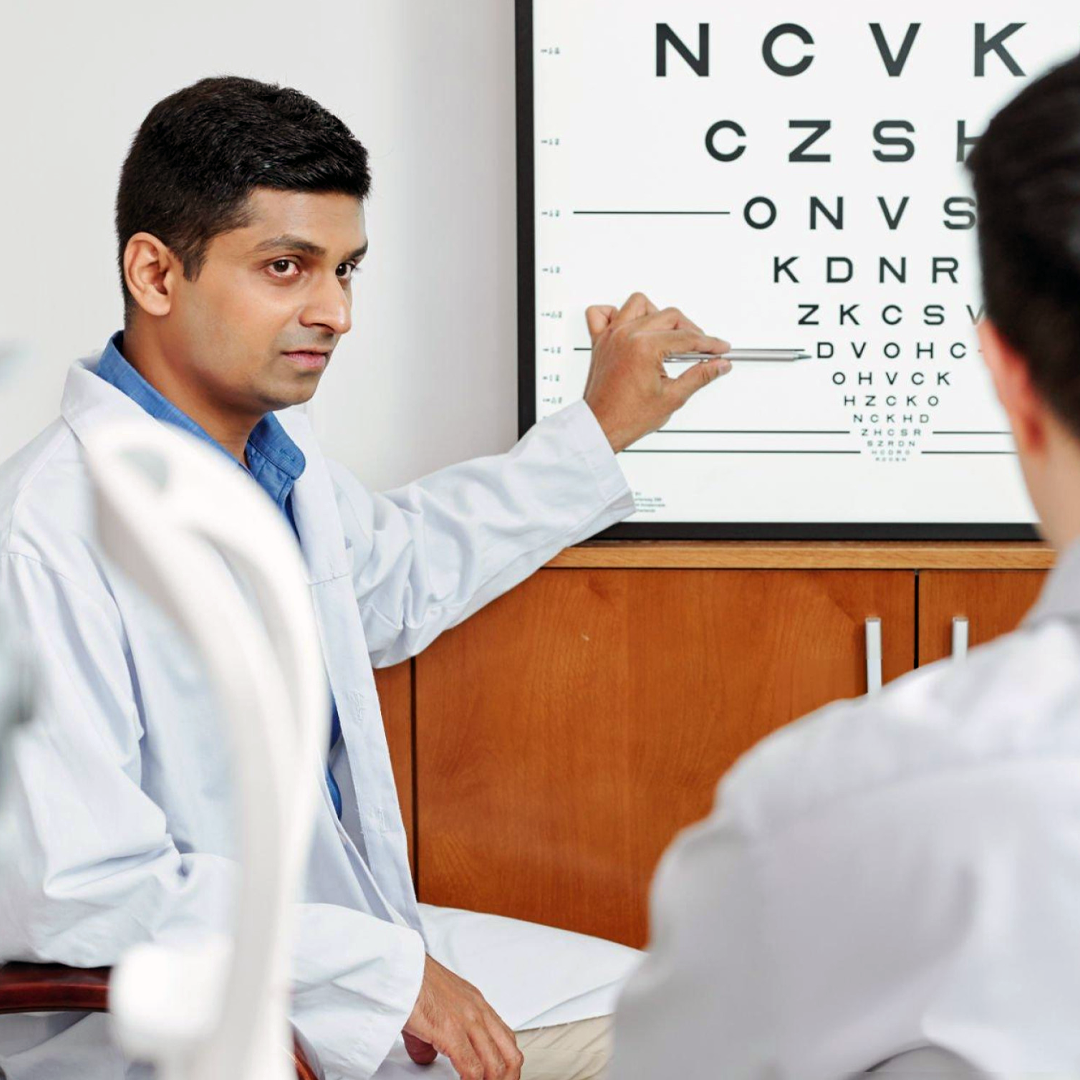
You should consult a specialist if you experience sudden blurred vision, flashes, floaters, dark spots, or vision loss.
2. Are retinal problems common in diabetic patients?
Yes, diabetic retinopathy is one of the most common retinal conditions and requires regular monitoring.
3. Is retinal treatment painful?
Most procedures, including injections and laser therapy, are minimally invasive and performed under local anesthesia.
4. Can retinal damage be reversed?
Early-stage issues can often be managed effectively, but advanced damage may not be fully reversible. Early detection is key.
5. How often should I get my retina checked?
Individuals with diabetes or high blood pressure should get annual screenings, or as advised by their doctor.

Write a comment ...